Yule rests in the calendar like some odd gap of time. The date is known, but the meaning slips by most. People force their way through the month with lights and lists and every noise that December brings, that’s fine, but it makes them miss what happens around the shortest day. Those days between the 20th and the 23rd do not behave like the rest of winter. They feel heavier. Slower. Almost older.
It comes mostly at night. The darkness settles in a way it doesn’t any other week of the year. Not scary. More like the world is sitting still, waiting on something it can’t hurry along. Trees hold themselves tighter. The wind loses its confidence. The sky seems burdened, as though it bears the weight of the season. Step outside for a moment and you feel something pressing in; a silent consciousness that most would shrug off.
Yule and Christmas are seen as different, yet most of what we now call Christmas grew out of those older solstice traditions. Evergreen trees weren’t chosen because they looked cheerful. They signaled life holding its ground when everything else looked dead. Bringing one indoors was a reminder that the dark months don’t erase what survives. The candles and lights people string around their homes now — those were once fires or torches, anything that could push back against the longest night. The idea was never decoration. It was survival mixed with symbol.
Gift-giving didn’t start with stores either. Long before that, people exchanged small offerings to mark the shift in the year. Not to impress anyone, but to keep goodwill moving through a community facing months of cold. Even the feasts came from practical need. Folks gathered so they wouldn’t sit through the longest night alone, and they shared what they had so no one entered the new year empty.
Somewhere along the way, the meaning thinned. Not gone… just quieter. You can still feel the echo if you stop long enough. Yule isn’t about celebration first. It’s about recognition. The longest night doesn’t hide much. You feel your worn places more clearly. You think about the parts of the year that stretched you too far. You don’t need magick to sense it. You just need a moment without noise.
And then the light returns. Slow. Barely noticeable. A few extra seconds in the morning. A hint more brightness in the evening. Your body feels it before your mind catches on. The cold loosens. The air softens against the skin. Shadows look less sharp. The world doesn’t transform. It tilts, and that small tilt is enough.
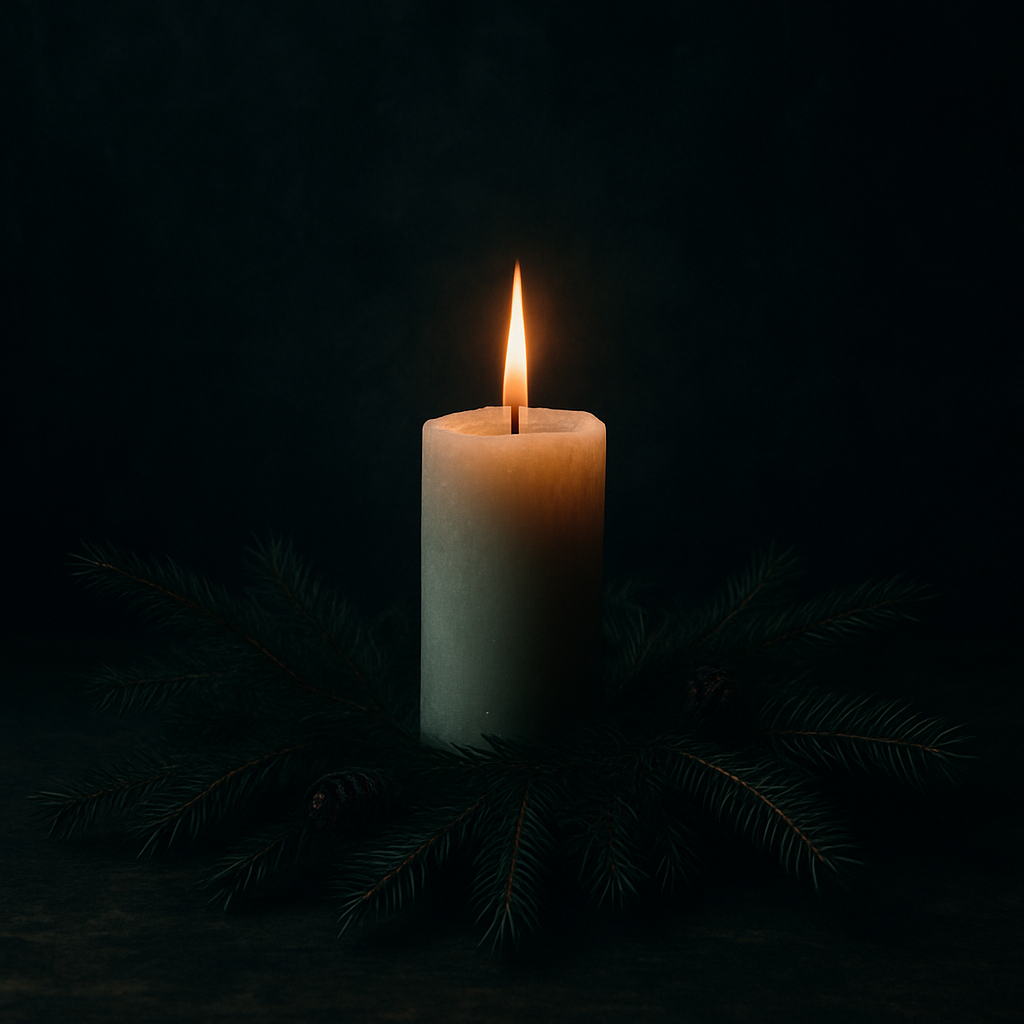
What you do with Yule doesn’t need to be complicated. People imagine rituals that take hours, but most older practices were simple. One flame. A quiet pause. A thought for what survived inside you this year. The old customs weren’t grand. They were acknowledgments.
Yule makes you come clean with yourself. Not harshly. Just the way long nights tend to do. You look at what you carried. You choose what deserves to move forward with you. Nothing fancy about it. But it stays.
When the solstice passes, no one sees the change at first. But it’s there. Something loosens. Something shifts. The dark has done its work. Now the slow work of the light begins, and you move with it whether you think about it or not.
That’s Yule. The turn inside the hush. The breath before the year begins to climb again. And even if you keep Christmas, you’re already practicing pieces of something much older than you may realize.
Leave a Reply