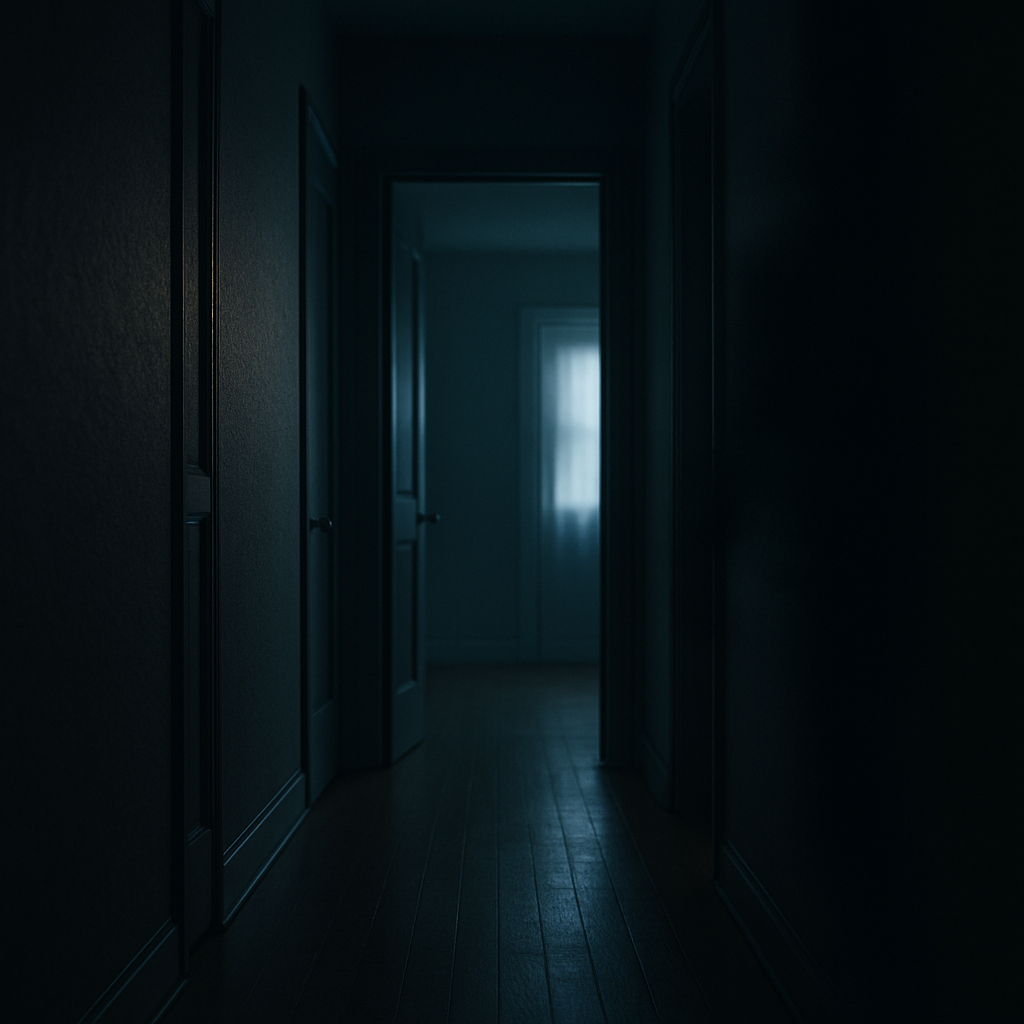
Most people have felt watched in an empty room at least once, even if they’ve never admitted it out loud. We’ve all caught movements out of the corner of your eye only for it to be gone when we look. Experiences such as these help remind us that our curiosity survives well past what we perceive as proof.
For centuries, the paranormal has straddled that tender line between what we know and what we can sense. Shades, psychic phenomena, UFOs, cryptids — all assault our reality. The word paranormal itself is defined as anything not normal; yet, to most it has come to mean something else. It is controversy, wonder, fear, awe, and dispute with a heavy weight for those who say they believe.
Science demands proof. Something measurable. Something repeatable. Something that holds up when you look at it twice. That’s usually where pseudoscience gets dragged into the conversation and the tension starts. Most hauntings, UFO sightings, or psychic experiences fade fast when examined closely. The explanations tend to be familiar. Light, perception, nerves, the environment doing what it does. And yet, no matter how often these moments are explained away, the pull of the experience itself never seems to fade.
Why? Because what is experienced won’t be undone even by skepticism.
Reports of encounters continue to come in. A taped voice known as an EVP, a cold spot where there should not be one. A message from a loved one gone long ago. These experiences do have meaning to those who lived them, and meaning is not so easily measured in any laboratory.
Modern researchers are slowly grasping what our ancestors called supernatural. They now employ tools of psychology, neuroscience, and quantum physics. Some phenomena once dismissed like sleep paralysis and infrasound-induced hallucinations now have partial scientific explanation. Others remain stubbornly outside the frame of understanding whispering that perhaps we do not yet know all there is to know about consciousness or even about reality.
Whether you stand with the skeptic or the believer, the pursuit of the unexplained tells us something us humans. It tells us we are wired to wonder about the unknown. We explore because we need to understand what moves in the dark. And what moves within ourselves when we face the unknown or look in the mirror.
So maybe the sound in the night isn’t proof of anything beyond itself. Maybe it’s just a house settling, or a mind half-awake and filling in gaps. But the moment still matters. The pause. The way you listened. The way part of you wondered instead of laughed it off. That instinct hasn’t gone anywhere. We still lean toward the dark, not because we’re foolish, but because something in us wants to understand what can’t always be named.
Leave a Reply